Seasonal Ingredients
Cooking With the Seasons: A Year at the Market
Fruit and vegetables taste best, and cost less, when they are in season. Amara shares what she looks for at the market all year round and which family recipes to cook with it.
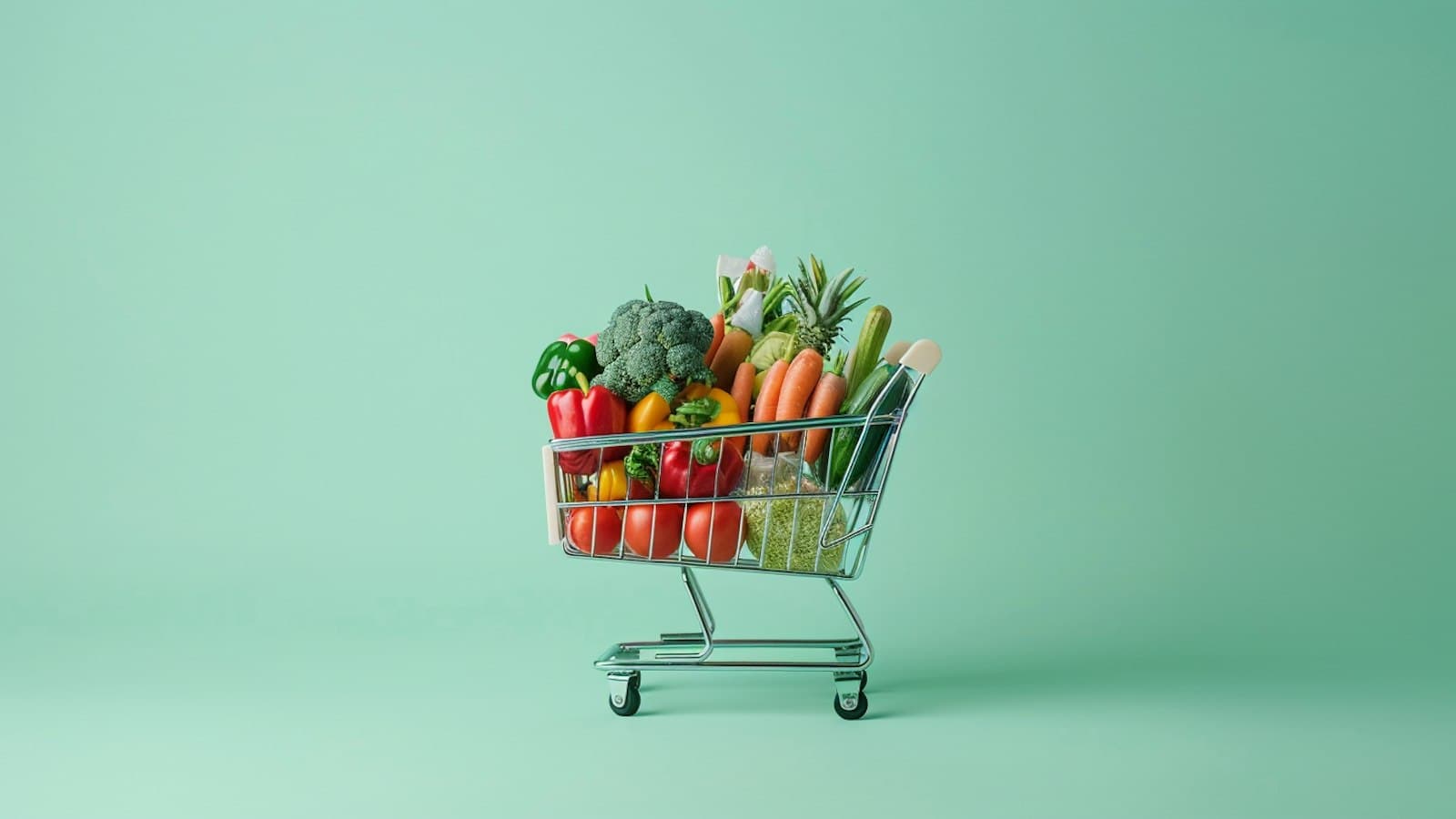
I used to shop with a list and buy exactly what was on it, whatever the month. These days I go to the market with a bag and an open mind and let the stalls decide what we eat. The food tastes better, it costs less and I never get bored.
Why seasonal food tastes better
Fruit and vegetables picked at their natural peak have had time to ripen in the sun, so they are sweeter and more flavorful. They usually travel a shorter distance too, so they reach your kitchen fresher. A tomato in midsummer and a tomato in midwinter are almost two different vegetables.
Spring
Look for peas, asparagus, spring onions, radishes, fresh herbs and the first strawberries. It is the perfect time for bright green sauces like chimichurri, which loves a big bunch of fresh parsley.
Summer
Tomatoes, cucumbers, peppers, corn, watermelon and berries are everywhere and at their cheapest. This is the season for gazpacho, for ʻotai and for a big pot of kompot made with whatever berries are on sale.
Autumn
Apples, pears, pumpkins, sweet potatoes and mushrooms arrive as the evenings cool down. Roast a tray of kūmara for soup, or grate a ripe pear into a bulgogi marinade.
Winter
Citrus fruit shines while everything else rests, alongside cabbage, carrots, leeks and dried peas and lentils. It is the season for slow soups like Québec pea soup, Egyptian lentil soup and a big pot of congee.
Three easy habits
- Ask the stallholders what is best this week. They always know.
- Choose fruit that actually smells like fruit. Your nose is a great guide.
- Cook once, eat twice. A glut of seasonal vegetables is perfect for soups and sauces you can freeze.
Seasons look different depending on where you live, so treat this as a starting point. The real trick is simply to notice what is piled high and plentiful, and cook with that.